
"about pericarp"
800 article(s) found

Elegant fruit acids Tanzania fine coffee beans cultivation geographical location climate altitude profile
Tanzanian coffee is often washed, and coffee farmers will send the coffee fruit to the nearest processing plant for processing after picking. The washing method comprises the following steps: firstly, screening and removing impurities doped in coffee fruits; then removing coffee pulp and pericarp; sending the coffee fruits into a fermentation tank; removing pectin layer adhered to the pericarp through fermentation; and cleaning.
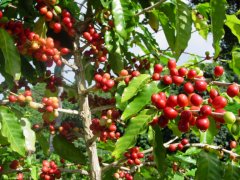
Coffee planting technology to share the growth process and planting conditions of coffee the life span of coffee trees is only …
Professional coffee knowledge exchange more coffee bean information please follow the coffee workshop (Wechat official account cafe_style) A coffee tree bears fruit several times a year. This time, we would like to introduce the whole process of coffee beans from planting to picking, so that we can fully understand the process of coffee beans from scratch. The growth process of coffee is from seeds (or cuttings, grafting) at the seedling stage.

Coffee common sense what is the processing of coffee beans
There are two ways to prepare coffee beans for the baking process. The method chosen has a significant impact on the final value and quality of coffee. The cheapest method of processing is called drying, which is used for lower-grade coffee beans, while higher-quality coffee beans are processed by wet treatment. Drying is used for unwashed coffee beans. Wet treatment used for thorough cleaning or semi-cleaning.

Fine Coffee Science explains the processing of coffee beans in detail
There are two ways to prepare coffee beans for the baking process. The method chosen has a significant impact on the final value and quality of coffee. The cheapest method of processing is called drying, which is used for lower-grade coffee beans, while higher-quality coffee beans are processed by wet treatment. Drying is used for unwashed coffee beans. Wet treatment used for thorough cleaning or semi-cleaning.

What are the different methods of coffee treatment? what are the differences in the flavor of coffee?
Tanning is a traditional method for the initial processing of coffee beans, and at present, almost all coffee-growing countries such as Ethiopia and Yemen still use solarization to treat raw beans. The sun treatment will first spread the ripe or half-ripe beans in the drying farm for natural drying. The specific time depends on the local climatic conditions, which usually takes two to four weeks. When the moisture of coffee beans
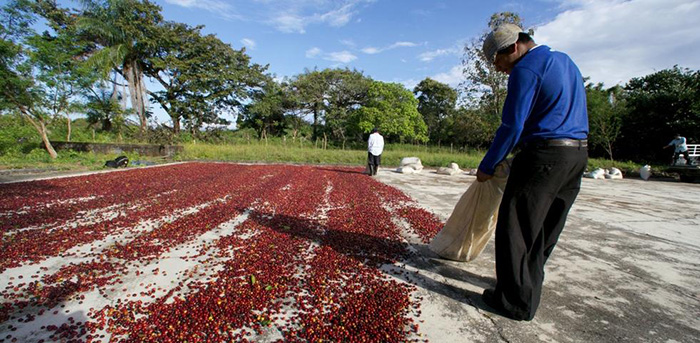
Processing of coffee beans which method is suitable for different coffee beans
There are two ways to prepare coffee beans for the baking process. The method chosen has a significant impact on the final value and quality of coffee. The cheapest method of processing is called drying, which is used for lower-grade coffee beans, while higher-quality coffee beans are processed by wet treatment. Drying is used for unwashed coffee beans. Wet treatment used for thorough cleaning or semi-cleaning.

Flavor description of Kaddura Red Honey Coffee in Tobosi, Costa Rica
Professional baristas please follow the coffee workshop (Wechat official account cafe_style) ■ yellow honey treatment: after removing the peel, put it on the African scaffolding in the early morning and immediately turn it. ■ red honey treatment: after the peel is removed, it is placed on the African scaffolding in the early morning and exposed to the sun until after noon. ■ black honey treatment: after removing the peel, unify

Talk about the processing process of coffee beans
Within 8 hours after picking, the coffee fruit should be peeled, otherwise negative fermentation will occur, thus affecting the quality of coffee beans.

A brief introduction to the planting situation of Yunnan boutique coffee beans with small nuts, geographical location, climate and altitude
The planting areas are mainly distributed in Lincang, Baoshan, Simao, Xishuangbanna, Dehong and other states. The average temperature of Baoshan is 21.5℃, and the highest is 40.4℃, which is basically frost-free all the year round. It is recognized as the best producing area of small-grain coffee. The small-grain coffee cultivated here is famous at home and abroad for its strong but not bitter, fragrant but not strong, well-proportioned small noodles, mellow and fruity. Tasting specialist of the International Coffee Organization
About Coffee planting
Coffee is now widely grown in the ribbon between the Tropic of Cancer.

How about iron pickup coffee beans? How about Yunnan Tieka coffee?
Professional barista exchanges please pay attention to the coffee workshop (Wechat official account cafe_style) Yunnan coffee due to the unique geographical environment and climatic conditions, formed a strong but not bitter, fragrant but not strong, with a little fruit flavor of the unique flavor, world-class coffee experts evaluation is the world's good coffee, its cultivation technology, per unit yield is also world-class. The variation of Arabian species of Coffee in Yunnan
Sun drying of coffee beans
Sun drying of coffee beans

Coffee bean treatment method of washing, entry coffee must understand
What is the washing method? As a coffee consumer, whether we shop online or go to a coffee shop to buy freshly roasted coffee beans, there is always some information about this bean on the package: altitude, country of origin, producing area, some flavor labels, coffee beans and coffee treatment. As far as Leon is concerned, the last person I really know about the above information is the processing method.
Types and varieties of coffee
Coffee is a plant of the genus Coffea genus of Rubiaceae. According to the study of Chevalier,1947, there are 66 species in four groups, including 24 species in Eucoffea group, 18 species in Mascarocoffea group, 13 species in Paracoffea group and 11 species in Argocoffea group.
Types and varieties of coffee
Coffee is a plant belonging to the genus Coffea in the Rubiaceae family. According to Chevalier (1947), the genus Coffea is divided into four groups with 66 species, including 24 species in Eucoffea group, 18 species in Mascarocoffea group, 13 species in Paracoffea group and 11 species in Argocoffea group
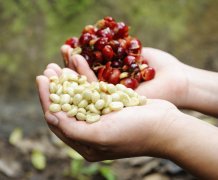
The refined processing of coffee beans includes roughing, separation, classification, fermentation, drying, shelling and throwing.
The refined processing of coffee beans includes eight processes, such as rough processing, separation, classification, fermentation, drying, shelling, polishing, sorting and so on. There are two ways to prepare coffee beans for the baking process. The method chosen has a significant impact on the final value and quality of coffee. The cheapest method of processing is called drying, which is used for lower coffee beans and higher quality coffee beans.
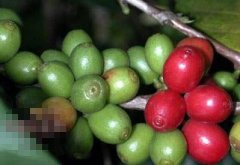
Coffee picking
Good quality coffee is handpicked one by one to maintain the perfect coffee taste.

[coffee New World] about the effect of coffee peel on coffee peel tea
Professional coffee knowledge exchange more coffee bean information please follow the coffee workshop (Wechat official account cafe_style) individual products, mixes, taste, vanilla, soak, cold extract on coffee and tea topics are numerous, but there is a beverage, neither tea nor coffee, is just being known. The coffee we usually drink is actually the seed of coffee fruit. Wide range of coffee

What do you know about coffee?
Editor's note: coffee was first popular in Europe and the United States, and then gradually spread to China. Nowadays, there are many people in China who like to drink coffee, so, do you know the common sense about coffee? What are the taboos on coffee? Coffee introduction Coffee (Coffee) comes from a small town in Ethiopia called kaffa. In Greek, Kaweh means force.
About the drying of coffee beans
After the wet treatment process, the coffee beans are still preserved within the endocarp shell, which still contains about 15% water. The endocarp must be dried to a moisture content of approximately 11% to ensure that the beans are stored in a stable and safe environment. Moisture content is critical because if arabica beans are over-dried to a moisture content of 10%, they lose